intimate discussions

hope dinners.

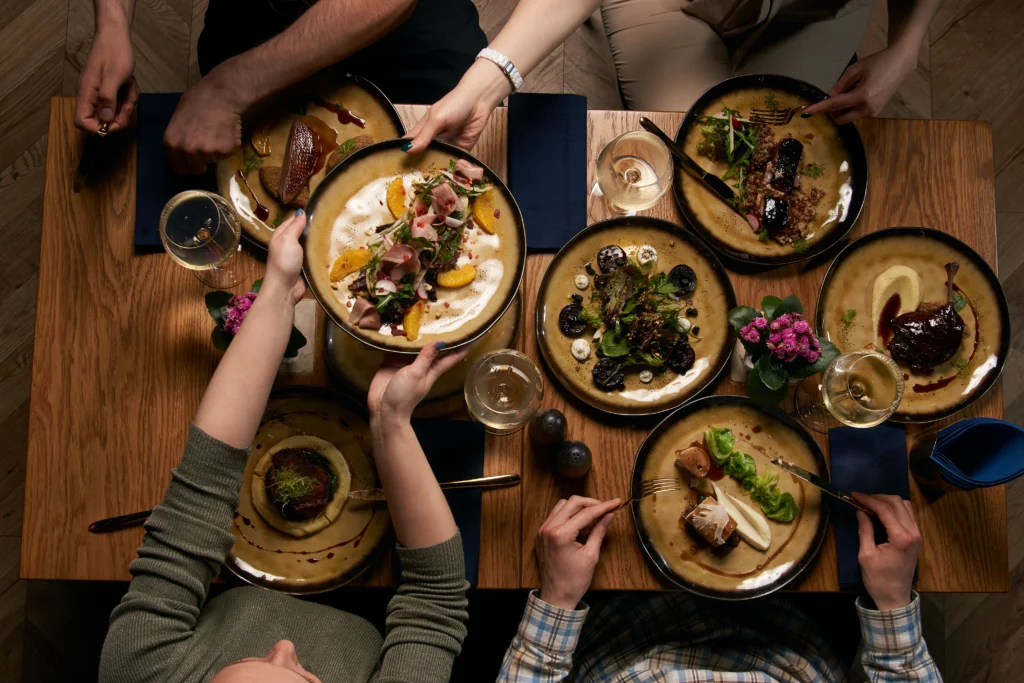
Twelve or so people, one long table, and a question big enough to take three hours. We publish everything that comes out of them.

Who attends
01

People who would not normally end up at the same table.

Politicians Doctors Lawyers Teachers Novelists Business people Clergy

People who quite often cannot stand each other's politics. Nobody signs anything. Nobody is asked to agree with us, and plenty of them don't.

The arguments leave the room and the names stay in it.

The rule of the room
Chatham House Rule

We don't publish who was there. Everything that was said gets published; nothing that identifies who said it does.

How it works
02

A paper, an evening, a second paper.

01 · Before
A short paper goes round in advance

It is written to be argued with, not admired, and it usually is.

02 · The Dinner
ONE RELATED QUESTION is asked

No speeches, no panel, no press, no phones on the table.

03 · After
A second paper reports what the room said

Including the bits we did not expect and the bits we did not like.

Send me the papers → Both papers, free, straight to your inbox
Every dinner starts with one question
03

One question. Three hours.

Example questions
What is sex for?
What would a good man look like now?
What do we owe each other in private?
Who is raising our sons?
What is freedom, if it is more than the absence of rules?
What would we have to believe about people to stop selling them?

Nobody leaves agreeing. That was never the plan. The idea is to give the question the time it deserves, in front of decision makers and influential people.
Send me the papers → Read what each room actually said
Four things this is not
04

Not a fundraiser

Nobody at these dinners is asked for money.

Not a summit

There is no communiqué at the end and no ten-point plan.

Not a religious thing

We are a human rights charity and we work from the Universal Declaration of Human Rights.

Not secret

The names are private. Everything that was said gets published.